
Dogs deserve wholesome, nourishing meals just like the rest of the family. If you’re considering making homemade beef stew for dogs, you’re in the right place. This complete guide walks you through how to prepare a dog-safe beef stew that’s rich in nutrients and tailored specifically to canine needs not human taste buds.
From choosing the right cut of beef to selecting dog-friendly vegetables, you’ll learn everything you need to know. We’ll also answer common questions like “Can dogs eat homemade beef stew?” and share tips for safe preparation, portion sizes, and storage plus ideas for adding variety to your dog’s diet.
Why Make Homemade Beef Stew for Dogs?
The Benefits of Homemade Dog Food
While store-bought kibble is convenient, it often contains fillers, preservatives, and low-quality ingredients. Preparing food at home gives you full control over what goes into your dog’s bowl, which can lead to better digestion, fewer allergies, increased energy, and a shinier coat.
Homemade beef stew allows you to use fresh, lean meat and nutrient-dense vegetables while avoiding unnecessary additives. It’s also an easy way to include fiber, vitamins, and minerals that support overall health.
Tailoring Meals to Your Dog’s Needs
Every dog is unique. Some have food sensitivities, others are picky eaters, and some require special diets due to age or health conditions. Homemade stew lets you adjust ingredients and textures to suit your dog’s individual needs, while rotating foods helps prevent boredom and nutritional gaps.
Can Dogs Eat Homemade Beef Stew?
Yes dogs can eat homemade beef stew, but only if it’s made specifically for them. Human beef stews often include ingredients that are harmful to dogs, such as onions, garlic, salt, and rich seasonings.
Dog-Safe Ingredients to Include
- Lean beef (stew meat, ground beef, sirloin)
- Carrots
- Sweet potatoes
- Peas
- Pumpkin
- Brown rice or quinoa
- Low-sodium or homemade beef broth
Ingredients to Avoid
- Onions and garlic (toxic to dogs)
- Salt, pepper, and seasoning blends
- Butter, oils, or gravies
- Tomatoes (especially green or unripe)
- Mushrooms (some varieties are toxic)
Even ingredients that seem harmless to humans can be dangerous for dogs, so always double-check labels and keep recipes simple.
Why Human Beef Stew Isn’t Safe for Dogs
Most traditional beef stews contain excess sodium, thickening agents, artificial flavorings, and toxic ingredients like garlic and onions. Over time, these can irritate your dog’s digestive system or cause more serious health issues involving the liver or kidneys. That’s why dog-specific recipes matter.
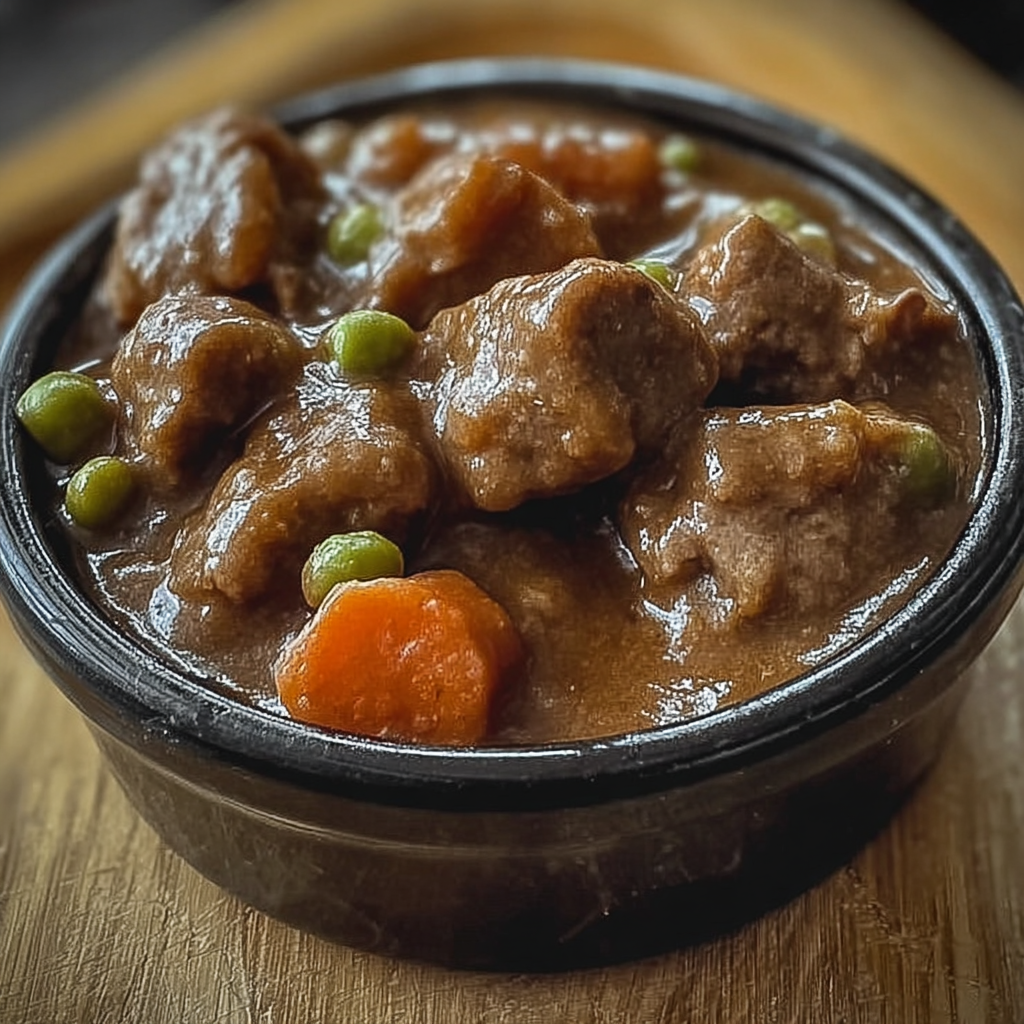
Choosing the Right Ingredients for Dog-Friendly Stew
Best Vegetables and Grains for Dogs
The right vegetables and grains add fiber, energy, and essential vitamins without upsetting digestion.
Top vegetables for dog stew:
- Carrots – support vision and immunity
- Sweet potatoes – rich in fiber and vitamin A
- Peas – provide plant protein and nutrients
- Green beans – low-calorie and filling
- Pumpkin – excellent for digestion
Easy-to-digest grains:
- Brown rice
- Quinoa
- Oats
Best Cuts of Beef for Dogs
Choose lean cuts that are tender and easy to chew, especially for smaller or senior dogs.
- Chuck roast
- Stew meat
- Ground beef
- Sirloin tips
Avoid fatty cuts like ribeye or brisket, and always remove visible fat. Never include cooked bones, as they can splinter and cause injury.
How to Cook Beef for Dogs
Safe Cooking Methods
Keep cooking simple no seasoning, oils, or sauces.
- Boiling: Simmer beef in water for 30–40 minutes until tender
- Slow cooking: Cook on low for 6–8 hours with vegetables
- Pan cooking (no oil): Brown ground beef in a non-stick pan and drain fat
Avoid grilling or frying, as charred meat can upset your dog’s stomach.
Seasonings: What’s Safe and What’s Not
Dogs don’t need spices, but a few herbs can be used sparingly.
Safe in moderation:
- Turmeric
- Parsley
- Rosemary
Never use:
- Salt or bouillon cubes
- Garlic or onion powder
- Chili, paprika, or pepper
- Butter or heavy oils
If cooking for yourself and your dog, always prepare a separate, unseasoned portion for your pup.
Step-by-Step Beef Stew Recipe for Dogs
Ingredients (Serves 3–5 Medium Dogs)
- 1 lb lean beef (stew meat, ground beef, or sirloin)
- 1 cup chopped carrots
- 1 cup diced sweet potatoes
- ½ cup peas
- ½ cup unsweetened pumpkin purée
- ½ cup cooked brown rice
- 3 cups water or homemade unsalted beef broth
- 1 tsp turmeric (optional)
- 1 tsp chopped parsley (optional)
Instructions
- Add beef and water or broth to a large pot.
- Bring to a boil, then reduce heat and simmer for 20 minutes.
- Add carrots and sweet potatoes; simmer for another 15 minutes.
- Stir in peas, pumpkin, and cooked rice.
- Simmer for 10 more minutes, then cool completely before serving.
Storage Tips
- Refrigerate in airtight containers for up to 5 days
- Freeze portions for up to 3 months
- Freeze in silicone molds or ice cube trays for easy serving
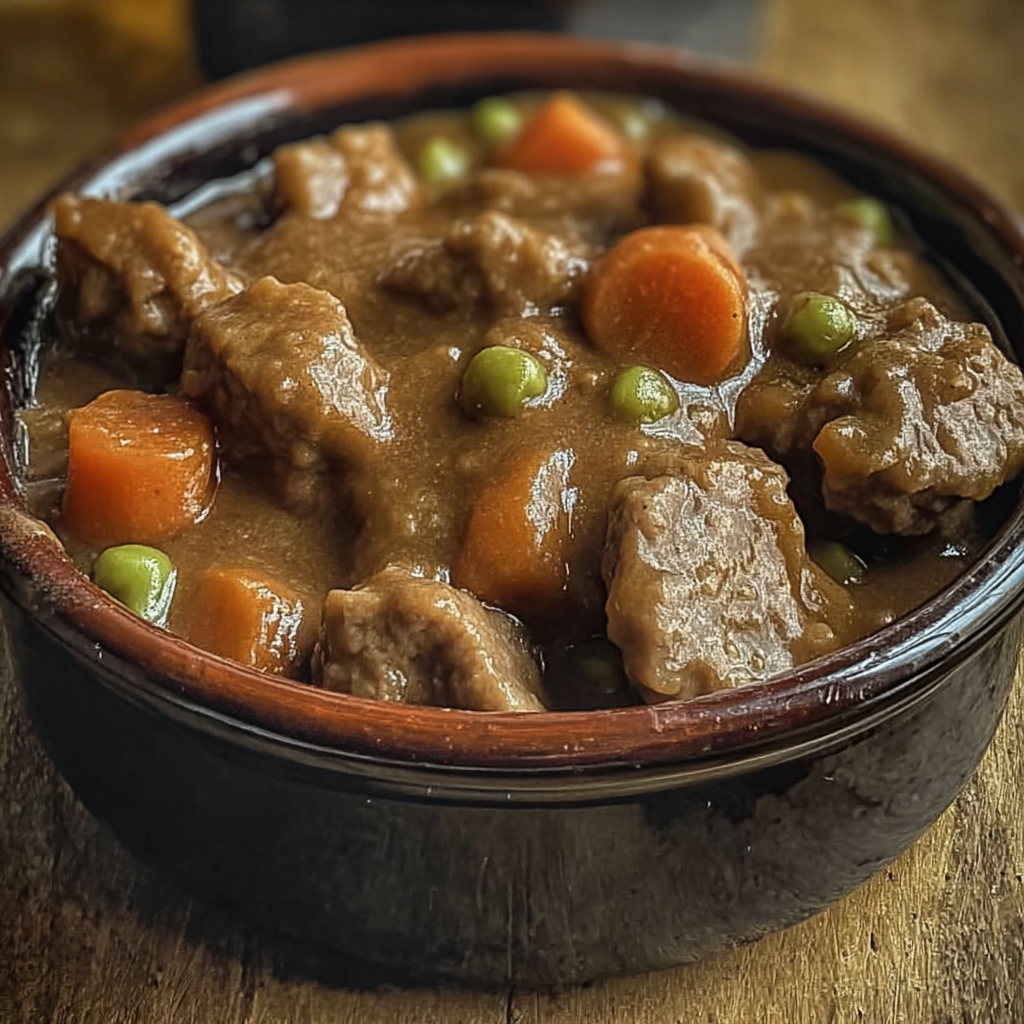
Nutritional Benefits of Homemade Beef Stew
This stew delivers high-quality protein, healthy carbohydrates, fiber, and essential vitamins and minerals.
Key nutrients include:
- Protein for muscle and organ health
- Fiber for digestion
- Vitamin A for vision and immunity
- Iron and zinc for blood and skin health
Homemade meals often retain more nutrients than processed foods, giving your dog more benefit per bite.
How Often Should Dogs Eat Beef Stew?
Portion Guidelines
- 10–20 lbs: ¾–1 cup daily
- 20–50 lbs: 1½–2½ cups daily
- 50–90 lbs: 3–4 cups daily
Adjust portions based on age, activity level, and veterinary advice.
Rotation and Variety
Rotating proteins, vegetables, and grains helps prevent boredom and nutrient deficiencies. Try alternating beef with chicken, turkey, or salmon, and switch up veggies and grains occasionally.
Homemade Beef Stew vs. Commercial Dog Food
Homemade beef stew offers fresher ingredients, better digestibility, and full control over nutrition. It’s especially helpful for dogs with allergies or sensitive stomachs and can be cost-effective when ingredients are bought in bulk.
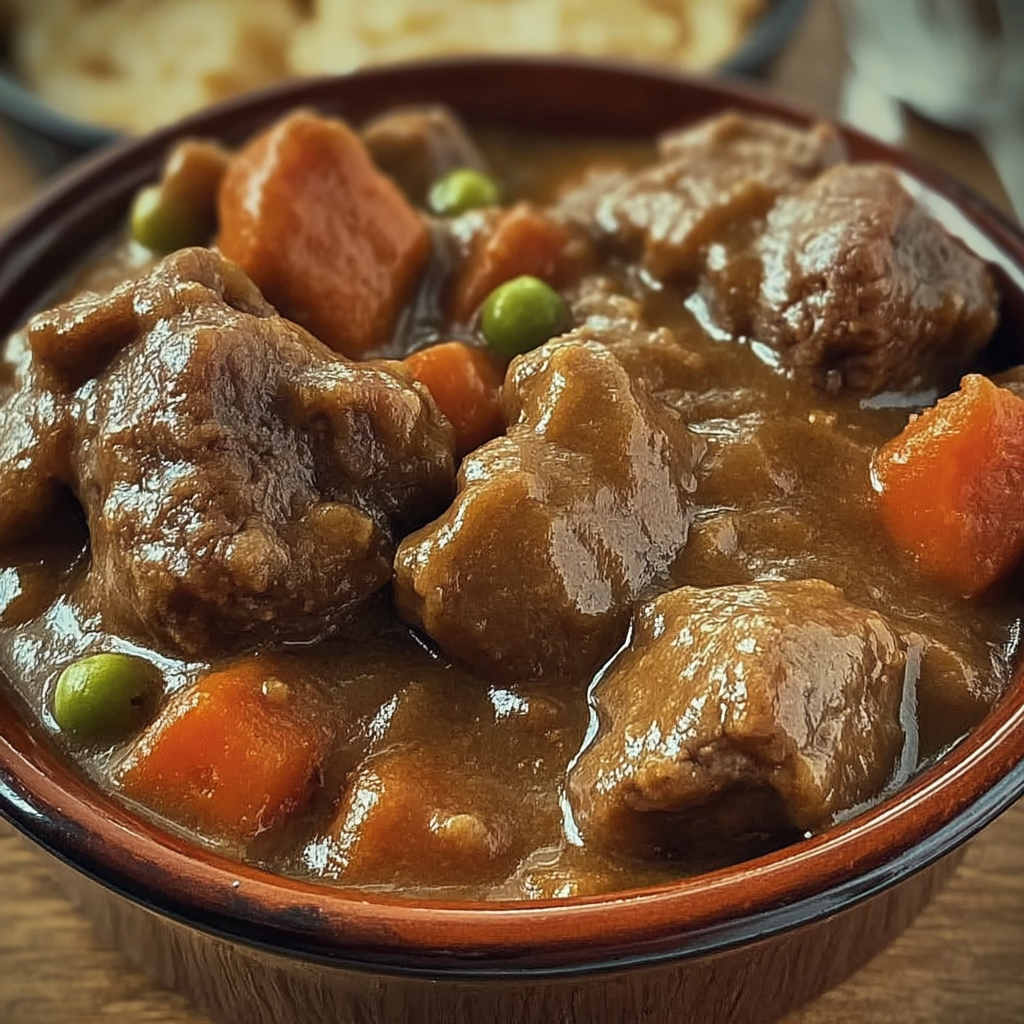
Common Mistakes to Avoid
- Adding salt, garlic, or onions
- Using store-bought broths with hidden additives
- Feeding only one recipe long-term without rotation
- Overcooking meat until dry
For dogs eating homemade food daily, consult a vet about adding calcium or canine supplements to maintain balance.
Conclusion
Homemade beef stew is a simple, nutritious way to nourish your dog with real, wholesome ingredients. With proper preparation, portion control, and variety, it can become a healthy staple that supports digestion, energy, and overall well-being.
By cooking with care and intention, you’re not just feeding your dog you’re investing in their long-term health and happiness. 🐶🥩
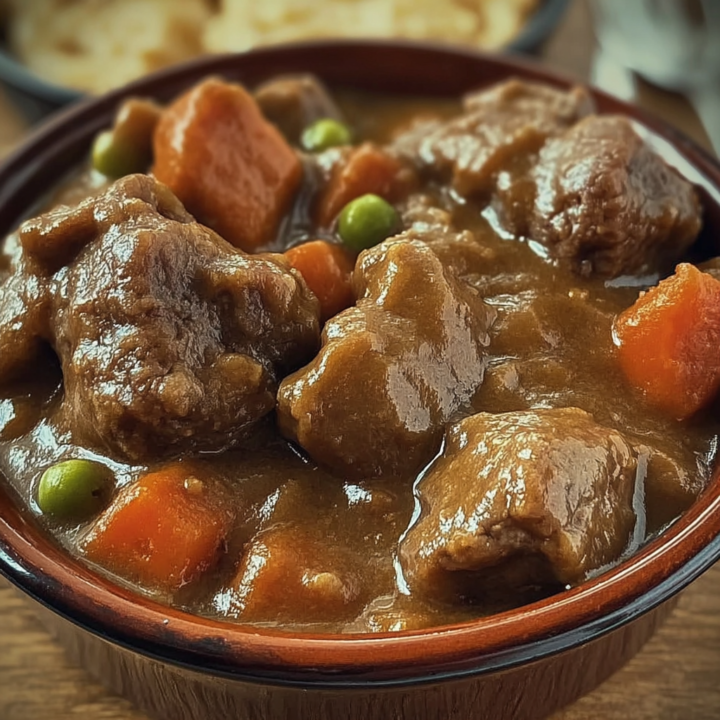
Hearty Beef Stew Made Fresh for Dogs
Dogs deserve wholesome, nourishing meals just like the rest of the family. If you’re considering making homemade beef stew for dogs, you’re in the right place. This complete guide walks you through how to prepare a dog-safe beef stew that’s rich in nutrients and tailored specifically to canine needs not human taste buds.
Ingredients
- 1 lb lean beef (stew meat, ground beef, or sirloin)
- 1 cup chopped carrots
- 1 cup diced sweet potatoes
- ½ cup peas
- ½ cup unsweetened pumpkin purée
- ½ cup cooked brown rice
- 3 cups water or homemade unsalted beef broth
- 1 tsp turmeric (optional)
- 1 tsp chopped parsley (optional)
Instructions
- Add beef and water or broth to a large pot.
- Bring to a boil, then reduce heat and simmer for 20 minutes.
- Add carrots and sweet potatoes; simmer for another 15 minutes.
- Stir in peas, pumpkin, and cooked rice.
- Simmer for 10 more minutes, then cool completely before serving.