
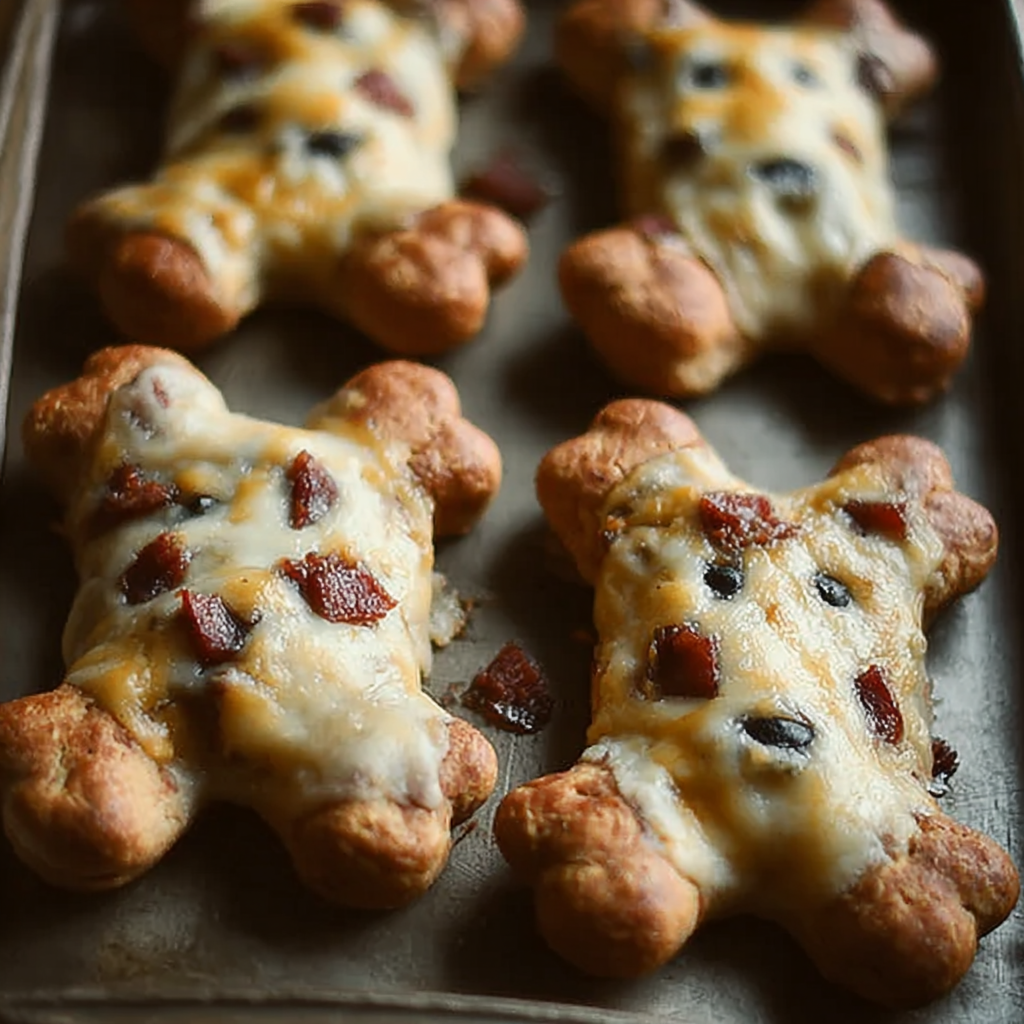
Dogs deserve treats as special as the love they give and nothing says “good dog” like a fresh, homemade snack packed with flavor. If you’re looking for a bacon and cheese dog cookie recipe your pup will adore, you’re in the right place. This guide will walk you through the benefits of homemade treats, the ingredients that matter, a simple step by step recipe, and tips for keeping your cookies fresh. Ready to make a wholesome, preservative free snack your furry friend will beg for? Let’s get started.
1. Why Make Homemade Bacon & Cheese Dog Cookies?
The Benefits of DIY Dog Treats
Store bought treats are convenient, but homemade ones give you complete control over ingredients no mystery fillers, artificial flavors, or preservatives. Using simple, nourishing foods like oat flour, eggs, and real bacon ensures your dog is getting something fresh and nutritious. Plus, baking for your dog adds an extra layer of bonding and love. And when those warm cookies come out of the oven? The excited tail wags say it all.
Why Dogs Love Bacon and Cheese
It’s no secret dogs go crazy for bacon. Its bold aroma and rich taste make it an irresistible reward. Cheese adds creamy flavor and contains protein, calcium, and healthy fats when offered in moderation. Together, they create a high value treat perfect for training or special occasions. Just remember: tasty ingredients should be balanced with your dog’s overall health needs.
2. Ingredients for the Best Bacon Cheese Dog Cookies
Safe, Dog Friendly Ingredients
When making treats at home, safety is the top priority. Stick to wholesome ingredients that support your dog’s health:
| Ingredient | Purpose | Notes |
|---|---|---|
| Oat flour | Base | Gentle on digestion |
| Egg | Binder | Adds protein |
| Cooked bacon | Flavor | Chop finely |
| Cheddar cheese | Flavor | Use shredded |
| Parsley (optional) | Freshness | Helps freshen breath |
Avoid:
- Onion and garlic (toxic)
- Salt or seasoning mixes
- Artificial sweeteners especially xylitol
- Excessively fatty cheese (if your dog needs lower fat options)
Cheddar or mozzarella are generally well-tolerated and pair beautifully with crisp bacon for a drool worthy cookie.
Nutritional Notes
Cheese contributes protein, calcium, and vitamin A. Bacon offers irresistible flavor and small amounts of selenium and B vitamins. Both are high in fat and sodium, so these treats should be occasional indulgences balanced with fiber-rich ingredients like oats.
3. Step by Step Bacon Cheese Dog Cookies Recipe
Ingredients (Makes 25–30 Cookies)
- 2 cups oat flour (or whole wheat flour)
- ½ cup shredded cheddar cheese
- 4 slices cooked bacon, finely chopped
- 1 large egg
- ½ cup water or low sodium chicken broth
- Optional: 1 tablespoon chopped parsley
How to Make Them
- Preheat your oven to 350°F (175°C) and line a baking sheet with parchment paper.
- Cook the bacon until crisp, let it cool, and chop it into small bits.
- In a mixing bowl, combine the oat flour, cheese, and parsley (if using).
- Whisk the egg separately, then add it to the dry ingredients.
- Gradually pour in the water or broth until a soft, workable dough forms.
- Fold in the chopped bacon.
- Roll the dough to about ¼ inch thick and cut into fun shapes with cookie cutters.
- Arrange on your baking sheet and bake for 20–25 minutes, or until golden.
- Cool completely before serving or storing.
4. Storage and Shelf Life Tips for Homemade Dog Cookies
How Long Do Bacon Cheese Dog Cookies Stay Fresh?
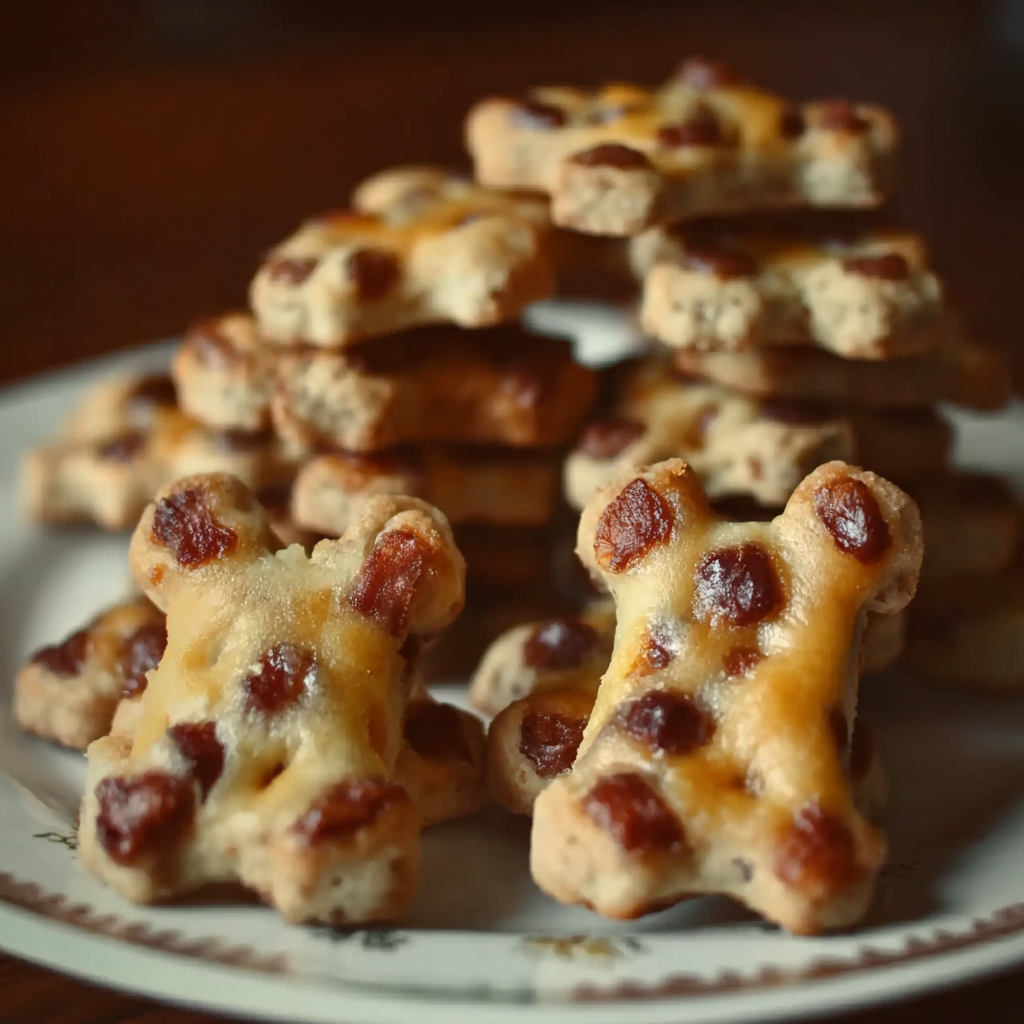
Because homemade treats don’t contain preservatives, they won’t last as long as commercial snacks but with proper storage, they stay fresh and tasty for plenty of time.
- Room Temperature: 4–5 days in an airtight container
- Refrigerator: Up to 2 weeks
- Freezer: 2–3 months
Always let the cookies cool completely before storing them. Trapped steam can cause soggy treats or mold.
Best Storage Method: Pantry, Fridge, or Freezer?
Choose your storage spot based on how quickly your dog will enjoy the cookies:
| Storage Method | Best For | Tips |
|---|---|---|
| Pantry | Short term (3–5 days) | Use airtight glass jars or tins |
| Fridge | Medium term (1–2 weeks) | Label with the date; store in zip bags |
| Freezer | Long term (2–3 months) | Freeze in small batches; thaw before serving |
In humid climates, refrigeration works best. If you bake big batches, freeze half to keep the flavor and texture at their best.
5. Ingredient Substitutes for Sensitive Pups
Dairy Free Options
If your dog doesn’t tolerate dairy well signs can include gas, loose stool, or itchy skin swap the cheddar for a gentler alternative. These substitutes still add great flavor:
- Nutritional yeast: Cheesy taste, rich in B vitamins
- Lactose free cheese: Look for pet safe varieties
- Mashed sweet potato or pumpkin: Adds moisture and natural sweetness
Some coconut based cheeses may work too just double check the ingredient list for xylitol or garlic powder, which are dangerous for dogs.
Dairy free doesn’t mean less tasty. Most pups enjoy these alternatives just as much.
Leaner Bacon Alternatives
Traditional bacon is delicious but high in fat. For dogs watching their weight or needing a low fat diet, try these lighter options:
- Turkey bacon: Lower fat but still flavorful
- Beef bacon: Often leaner than pork
- Dog safe vegan bacon: Only if it’s free from spices, onion, or artificial additives
Whatever substitute you choose, cook it thoroughly and let it cool before mixing it into your dough. Dehydrated bits also work well and reduce greasiness.
6. Customizing Your Bacon Cheese Dog Cookies
Add Dog Friendly Herbs and Boosters
You can easily personalize your cookies with nutritious add ins to match your pup’s preferences and health needs:
Safe herbs and mix ins:
- Parsley: Freshens breath and adds antioxidants
- Turmeric: Supports joint health (use sparingly)
- Chia seeds: Great for skin and coat
- Pumpkin puree: Aids digestion
Avoid spicy ingredients, and when in doubt, confirm with your vet. Dogs have sensitive noses, so keep any strong herbs light and balanced.
7. Adjusting the Texture: Soft vs. Crunchy Cookies
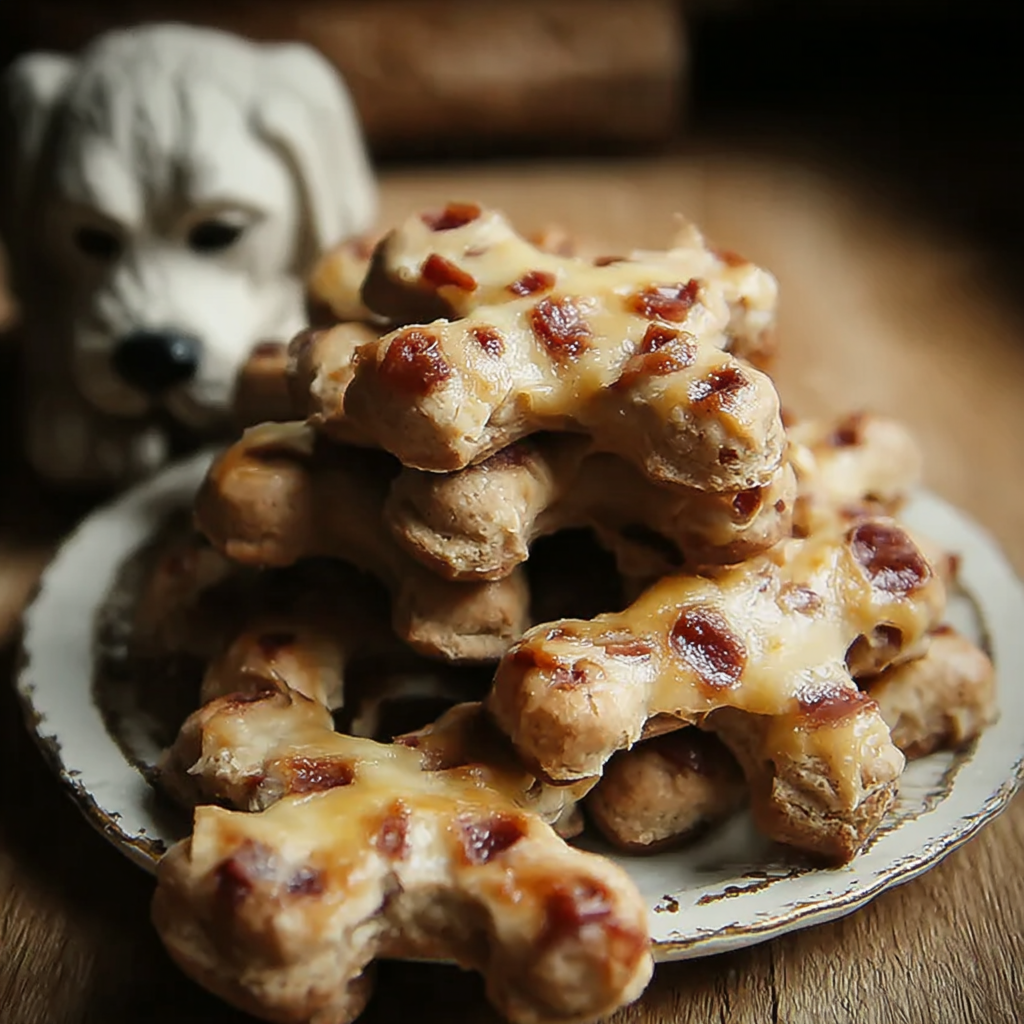
Texture matters especially for senior dogs, small breeds, or heavy chewers. Fortunately, you can easily tailor these cookies to your pup’s preference.
For Softer Cookies
- Add a spoonful of natural peanut butter
- Shorten the bake time to 15–18 minutes
- Store in the fridge to help retain moisture
For Crunchier Cookies
- Roll the dough thinner
- Bake 25–30 minutes
- Let the cookies cool completely, then leave them out for a few hours before storing
Watch how your dog chews their treat. If they struggle or lose interest, tweak the next batch to suit their needs.
8. How Often Can Dogs Eat Bacon Cheese Treats?
Treat Frequency by Dog Size
Even the healthiest homemade treats should only make up about 10% of your dog’s daily calories. Here’s a rough guide:
| Dog Size | Max Treats/Day |
|---|---|
| Small (under 20 lbs) | 1–2 small cookies |
| Medium (20–50 lbs) | 2–3 cookies |
| Large (50–90 lbs) | 3–5 cookies |
| Extra Large (90+ lbs) | 4–6 cookies |
You can always break cookies into smaller pieces to stretch the batch and reduce calories perfect for training.
Balancing Treats With Regular Food
Homemade bacon cheese cookies are nutritious but calorie dense. To maintain balance:
- Adjust meal portions if your dog has had extra treats
- Use cookies as rewards, not all day snacks
- Monitor overall calorie intake, especially for seniors or overweight dogs
A few cookies a week is plenty for special moments and positive reinforcement.
9. Fun Shapes, Sizes & Occasions
Cookie Cutters and Molds
Make treat time even more fun with themed shapes like:
- Bones
- Paws
- Hearts
- Stars
- Dog faces
They’re great for gift bags, holidays, or adorable photos. Silicone molds also help you bake in bulk or create frozen versions of the recipe.
Seasonal & Celebration Ideas
Get creative for special occasions:
- Halloween: Pumpkin or bat shaped cookies
- Christmas: Festive bone “stockings”
- Valentine’s Day: Heart shaped bacon treats
- Birthdays: Turn a batch into a cookie “cake” with a dog safe yogurt peanut butter glaze
10. Common Mistakes to Avoid
Overbaking or Undercooking
Ovens vary, so start checking your cookies around 18 minutes.
- Overbaked treats can become too hard for older dogs
- Underbaked treats may spoil faster
Tips for perfect baking:
- Use an oven thermometer
- Rotate trays halfway through
- Let cookies cool completely before storing
- Press the center slightly soft but firm edges are ideal
Hidden Ingredient Dangers
Some common human ingredients are unsafe for dogs.
Never use:
- Garlic or onion powder
- Artificial sweeteners (especially xylitol)
- Raisins or grapes
- Excess salt or butter
Always check packaged ingredients like broth or bacon to ensure they’re dog safe. When in doubt, stick to the basics: oat flour, egg, bacon, cheese, and love.
FAQs
1. Can dogs eat bacon and cheese safely?
Yes when used in moderation. Both are high in fat and sodium, so keep portions small. Always use cooked bacon and mild, low fat cheese.
2. What cheese works best for dog cookies?
Cheddar and mozzarella are great choices. They’re mild, easy to digest, and rich in protein and calcium. Avoid strong or aged cheeses like blue cheese.
3. Can I freeze these cookies?
Absolutely! Freeze for up to 3 months in an airtight container. Thaw a few at a time as needed.
4. What flour is best for dog treats?
Oat flour is gentle and gluten free. Brown rice flour and whole wheat flour are also excellent options. Avoid white flour and anything with additives.
5. How do I make soft cookies instead of crunchy?
Cut baking time by 5–7 minutes and add a tablespoon of water or unsweetened applesauce. Store in the fridge for extra softness.
6. Are these treats good for training?
Yes! The smell of bacon makes them high value rewards. Break them into small pieces to avoid too many calories.
Conclusion
Homemade dog treats aren’t just a fun kitchen project they’re a meaningful way to spoil your pup with something wholesome and full of love. These bacon cheese dog cookies combine two favorite flavors into a crunchy or chewy snack your dog will adore. Whether you’re celebrating a special day or just want to brighten your dog’s afternoon, this recipe is a guaranteed hit.
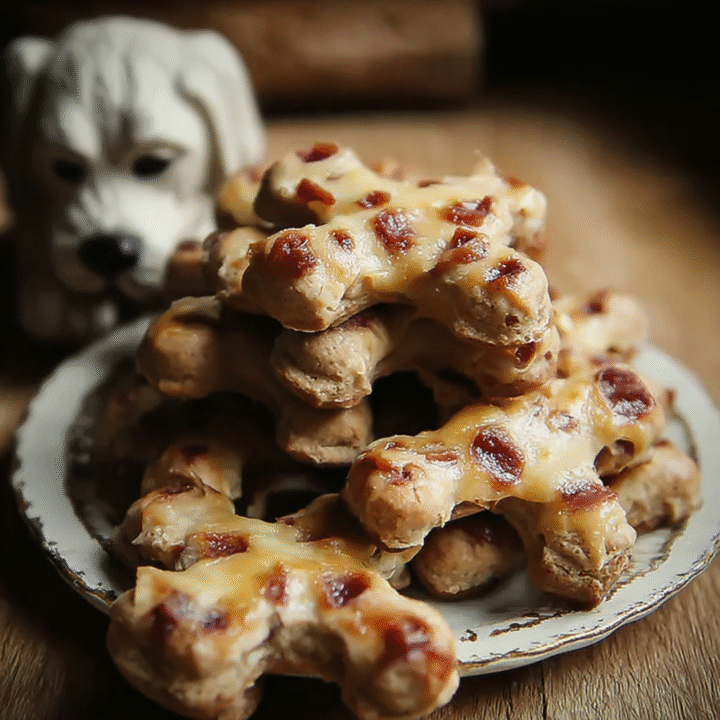
Cheesy Bacon Dog Cookies: The Ultimate DIY Pup Treat
Dogs deserve treats as special as the love they give and nothing says “good dog” like a fresh, homemade snack packed with flavor. If you’re looking for a bacon and cheese dog cookie recipe your pup will adore, you’re in the right place. This guide will walk you through the benefits of homemade treats, the ingredients that matter, a simple step by step recipe, and tips for keeping your cookies fresh. Ready to make a wholesome, preservative free snack your furry friend will beg for? Let’s get started.
Ingredients
- 2 cups oat flour (or whole wheat flour)
- ½ cup shredded cheddar cheese
- 4 slices cooked bacon, finely chopped
- 1 large egg
- ½ cup water or low sodium chicken broth
- Optional: 1 tablespoon chopped parsley
Instructions
- Preheat your oven to 350°F (175°C) and line a baking sheet with parchment paper.
- Cook the bacon until crisp, let it cool, and chop it into small bits.
- In a mixing bowl, combine the oat flour, cheese, and parsley (if using).
- Whisk the egg separately, then add it to the dry ingredients.
- Gradually pour in the water or broth until a soft, workable dough forms.
- Fold in the chopped bacon.
- Roll the dough to about ¼ inch thick and cut into fun shapes with cookie cutters.
- Arrange on your baking sheet and bake for 20–25 minutes, or until golden.
- Cool completely before serving or storing.